Amaryllis Bulb Care: Top 5 Questions About Growing Amaryllis Indoors
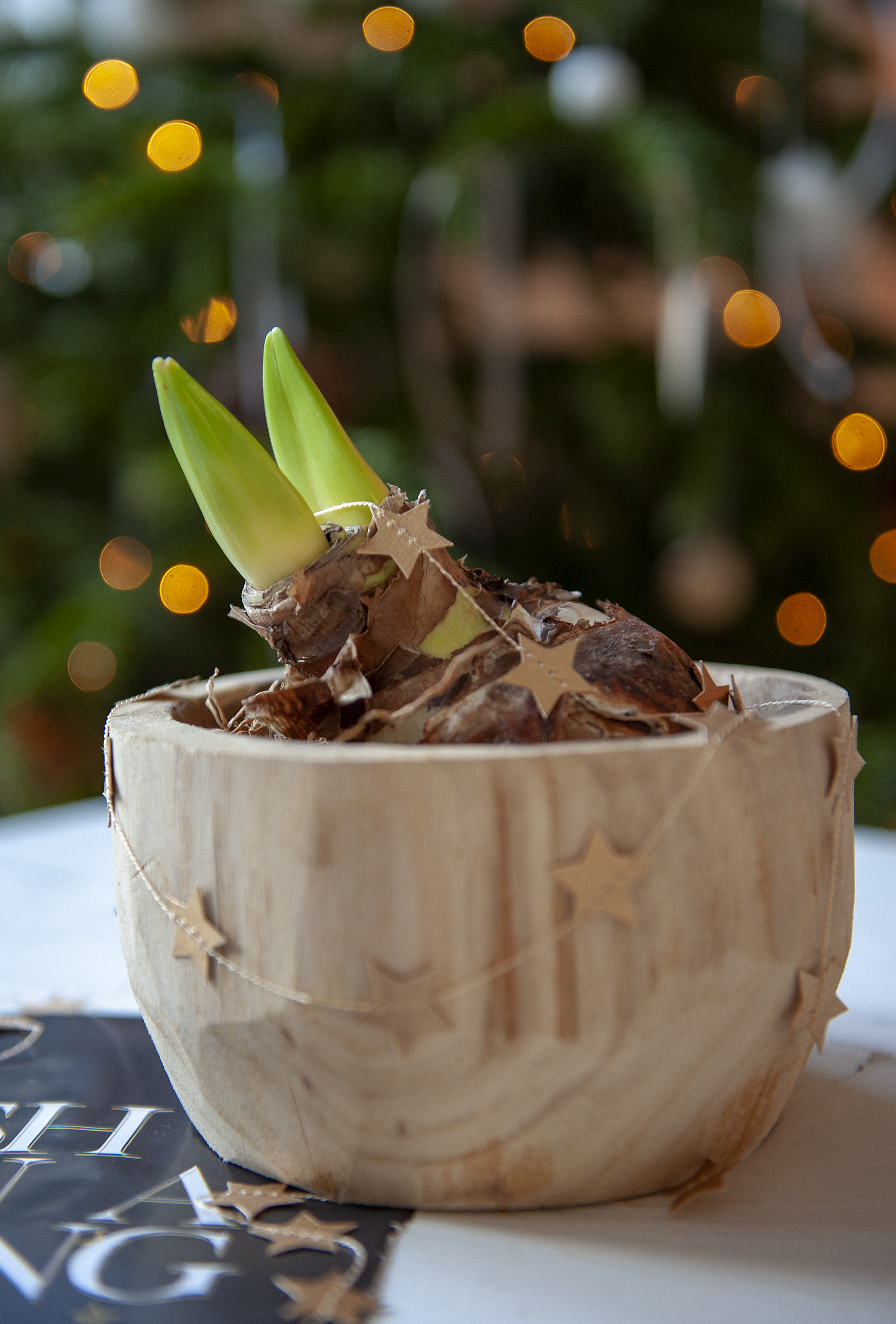
Amaryllis bulbs are one of the most popular flower bulbs for growing indoors, especially during the winter months. With their large, dramatic, trumpet-shaped flowers and beautiful colors, amaryllis bring stunning winter blooms into your home when most outdoor gardens are dormant.
Whether you've purchased an amaryllis bulb for yourself or received a beautiful amaryllis as a gift, you may have questions about how to plant, grow, and care for your bulb. The good news is that amaryllis bulbs are exceptionally easy to grow indoors! With a few simple amaryllis care tips, you can enjoy gorgeous blooms throughout the winter season.
From how deep to plant amaryllis bulbs to how often to water them and what to do with amaryllis after flowering, we're answering five of the most frequently asked questions about growing amaryllis indoors.
All About Amaryllis! Top 5 Amaryllis Growing and Care Questions Answered
1.) How long does it take for an amaryllis bulb to bloom after planting?
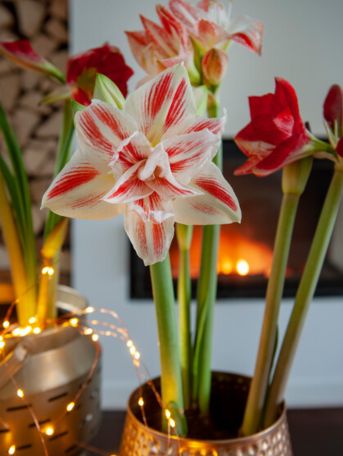
Amaryllis bulbs typically bloom 4–12 weeks after planting, depending on the variety, bulb preparation, and growing conditions. Providing plenty of warmth and sunlight can help encourage faster amaryllis growth and flowering.
A warm, sunny location in your home will generally produce blooms sooner than a cooler location. Pre-treated amaryllis bulbs, such as waxed amaryllis bulbs and sweater amaryllis bulbs, also tend to bloom more quickly than loose, untreated amaryllis bulbs.
If you're growing amaryllis indoors for winter flowers, plan your planting time accordingly so you can enjoy beautiful blooms during the holiday season or throughout the winter months.
2.) How deep should you plant an amaryllis bulb?
When planting amaryllis bulbs in a container, it's important not to bury the entire bulb. Plant the bulb so that the top third of the amaryllis bulb, including the neck and stem area, remains visible above the soil.
Choose a container with good drainage and use a well-draining potting mix. A properly planted amaryllis bulb will have enough room for its roots to grow while keeping the bulb itself from sitting in excess moisture.
Proper planting depth is an important part of successful amaryllis bulb care.
3.) How often should you water amaryllis bulbs?
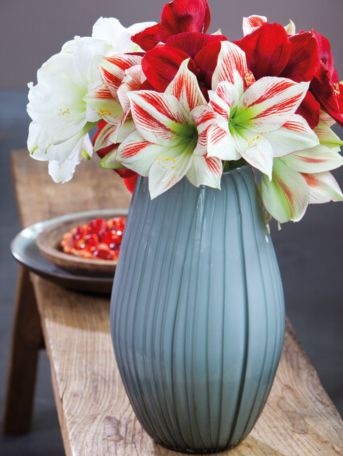
Amaryllis bulbs prefer to be kept on the dry side before new growth appears. After planting your amaryllis bulb, water lightly and allow the soil to dry between waterings.
Once the flower bud and stem begin emerging from the bulb, you can gradually increase watering. At this stage, keep the soil slightly moist, but never soggy.
One of the most important tips for watering amaryllis is to avoid overwatering. Too much moisture can cause the bulb to rot, especially before it begins actively growing. Always use a planting container with proper drainage to prevent water from collecting around the bulb.
Waxed and sweater amaryllis do not need any water to grow. They have been prepared in a way that allows for blooms and growth with no water needed.
4.) How many times will an amaryllis bloom, and how many flowers does each bulb produce?
Amaryllis bulbs can produce multiple rounds of flowers during a growing season. It's common for an established amaryllis bulb to produce 2–3 sets of blooms per season, depending on the bulb's size and growing conditions.
Each amaryllis flower stalk typically produces at least four individual flowers that open around the top of the stem. Some amaryllis varieties produce even more blooms per flower stalk!
Once your amaryllis begins producing leaves instead of another flower bud and stem, it's usually a good indication that the bulb has finished flowering for the season.
Even after the flowers fade, don't discard your amaryllis bulb. With proper post-bloom care, you can save your amaryllis and encourage it to flower again next year.
5.) What should you do with an amaryllis bulb after it finishes blooming?
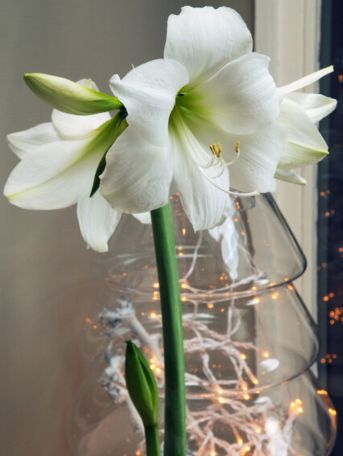
With proper care, you can save your amaryllis bulb after flowering and encourage it to bloom again the following year. How you care for your amaryllis after blooming depends on your growing zone.
Growing amaryllis outdoors in warmer climates (Zones 8 and above)
Gardeners in USDA Hardiness Zones 8 and warmer can plant amaryllis bulbs outdoors, where they can grow as perennial flowering bulbs. Choose a suitable planting location with well-draining soil and follow local recommendations for growing amaryllis outdoors.
How to care for amaryllis bulbs in colder climates
If you live in a colder climate, you can save your amaryllis bulb and encourage it to rebloom indoors next season.
After flowering:
- Allow the amaryllis leaves to continue growing and eventually go dormant.
- Once the leaves have withered, stop watering the bulb.
- Move the bulb to a cool, dark, and dry location for its dormant period.
- Store the bulb until the following fall.
In October, bring your amaryllis bulb back into a warm, sunny location to begin the growing cycle again. With the right amaryllis care and growing conditions, your bulb can reward you with beautiful flowers year after year!
Enjoy Growing Amaryllis Year After Year!
Amaryllis bulbs are an easy and rewarding way to enjoy beautiful indoor flowers during the winter months. Whether you're growing a traditional amaryllis, a waxed amaryllis, or a unique sweater amaryllis, understanding the basics of amaryllis planting, watering, blooming, and post-flowering care will help you get the most out of your bulb.
With just a little care, you can enjoy these spectacular winter-blooming flowers season after season!